
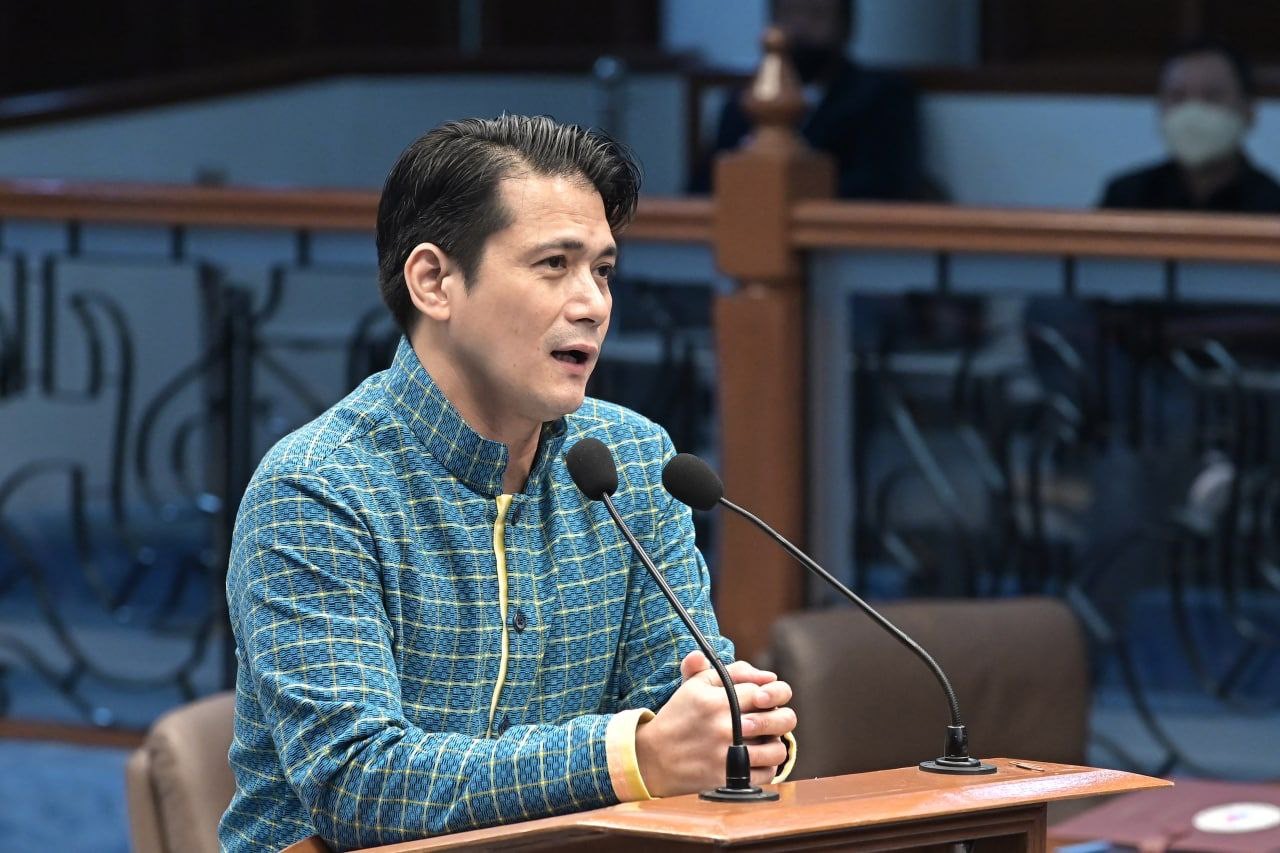
Ekonomiya ng Pilipinas at ang pangkaraniwang Pilipino ang makikinabang sa pag-amyenda ng pitong economic provisions sa 1987 Constitution, at kung naratipika ito sa pamamagitan ng constituent assembly (Con-ass).
Ito ang buod ng committee report at panukalang Resolution of Both Houses na ihinanda ng Senate Committee on Constitutional Amendments and Revision of Codes sa pamumuno ni Sen. Robinhood “Robin” C. Padilla, at naihain sa mga senador para sa kanilang lagda.
Ang committee report ay bunga ng walong committee hearings, kasama ang tatlo sa mga lungsod ng Davao, Baguio at Cebu.
“Whereas, to accelerate economic growth and fulfill its international commitment, the Philippines must amend its Constitution by removing restrictive economic provisions to allow foreign businesses to directly invest in a more conducive landscape,” ani Padilla sa kanyang committee report.
Dagdag niya, mas sulit kung idadaan ito sa pamamagitan ng Con-ass. Ayon sa datos ng National Economic and Development Authority (NEDA), P46 milyon lang ang gagastusin kung isasabay ito sa Barangay/SK Elections sa Oktubre.
Aniya, kung hahalal pa ng delegado para sa Constitutional Convention, gagastos ng P14.7 bilyon kung isasabay ito sa BKSE; at P28.5 bilyon kung hiwalay. Bukod dito, P28.5 bilyon pa ang gagastusin para sa plebisito para sa panukalang amyenda ng Constitutional Convention.
Umaasa si Padilla na babasahin ng mga senador ang committee report ngayong may break, at handa siyang makipagdebate sa plenaryo para depensahan ito. “Ang mahalaga ay ang ekonomiya at taumbayan natin ang makikinabang,” aniya.
Sa committee report, iginiit ni Padilla ang pag-amyenda sa mga sumusunod na probisyon ng Saligang Batas:
1. Section 2 of Article XII (National Economy and Patrimony): “… The exploration, development, and utilization of natural resources shall be under the full control and supervision of the State (which) may directly undertake such activities, or it may enter into co-production, joint venture, or production-sharing agreements with Filipino citizens, or corporations or associations at least sixty per centum of whose capital is owned by such citizens, UNLESS OTHERWISE PROVIDED BY LAW. Such agreements may be for a period not exceeding twenty-five years, renewable for not more than twenty-five years, and under such terms and conditions as may be provided by law.”
2. Section 3 of Article XII (National Economy and Patrimony): “… Private corporations or associations may not hold such alienable lands of the public domain except by lease, for a period not exceeding twenty-five years, renewable for not more than twenty-five years, and not to exceed one thousand hectares in area, UNLESS OTHERWISE PROVIDED BY LAW. Citizens of the Philippines may lease not more than five hundred hectares, or acquire not more than twelve hectares thereof by purchase, homestead, or grant.”
3. Section 7 of Article XII (National Economy and Patrimony): “Save in cases of hereditary succession, no private lands shall be transferred or conveyed except to individuals, corporations, or associations qualified to acquire or hold lands of the public domain, UNLESS OTHERWISE PROVIDED BY LAW.”
“THE CONGRESS MAY, BY LAW, SOLELY FOR THE PURPOSE OF FOREIGN DIRECT INVESTMENT, ALLOW: 1. ALIENS TO ACQUIRE PRIVATE LANDS NOT EXCEEDING ONE THOUSAND SQUARE METERS IN AREA; AND, 2. FOREIGN-OWNED CORPORATIONS TO ACQUIRE RURAL PRIVATE LANDS NOT EXCEEDING FIVE HECTARES IN AREA.”
4. Section IO of Article XII (National Economy and Patrimony): “Sec. 1O. The Congress shall, upon recommendation of the economic and planning agency, AND when the national interest dictates, reserve CERTAIN AREAS OF INVESTMENT to citizens of the Philippines or, UNLESS OTHERWISE PROVIDED BY LAW, to corporations or associations at least sixty per centum of whose capital is owned by such citizens. The Congress Shall enact
measures that will encourage the formation and operation of enterprises whose capital is wholly owned by Filipinos.”
5. Section 11 of Article XII (National Economy and Patrimony): “No franchise, certificate, or any other form of authorization for the operation of a public utility shall be granted except to citizens of the Philippines or to corporations or associations organized under the laws of the Philippines at least sixty per centum of whose capital is owned by such citizens, UNLESS OTHERWISE PROVIDED BY LAW; nor shall such franchise, certificate, or authorization be exclusive in character or for a longer period than fifty
years…”
“… The participation of foreign investors in the governing body of any public utility enterprise shall be limited to their proportionate share in its capital, and UNLESS OTHERWISE
PROVIDED BY LAW, all the executive and managing officers of such corporation or association must be citizens of the Philippines.”
6. Section 4(2) Of Article XIV (Education, Science and Technology, Arts, Culture and Sports): “Educational institutions, other than those established by religious groups and mission boards, shall be owned solely by citizens of the Philippines or corporations or associations at least sixty per centum of the capital of which is owned by such citizens, UNLESS OTHERWISE PROVIDED BY LAW. The Congress may, however, require increased Filipino equity participation in all educational institutions… The control and administration of educational institutions shall be vested in citizens of the Philippines, UNLESS OTHERWISE PROVIDED BY LAW.”
7. Section 11(1) and (2) of Article XVI (General Provisions): “The ownership and management of mass media shall be limited to citizens of the Philippines, or to corporations, cooperatives or associations, wholly-owned and managed by such citizens, UNLESS OTHERWISE PROVIDED BY LAW…”
“… Only Filipino citizens or corporations or associations at least seventy per centum of the capital of which is owned by such citizens shall be allowed to engage in the advertising industry, UNLESS OTHERWISE PROVIDED BY LAW.”
“… The participation of foreign investors in the governing body of entities in such industry shall be limited to their proportionate share in the capital thereof, and all the executive and managing officers of such entities must be citizens of the Philippines, UNLESS OTHERWISE PROVIDED BY LAW.”
Sa committee report, lahat na batas na may “protectionist or nationality prohibitions” sa pagtuklas at paggamit ng likas na yaman; pagmamay-ari ng pribadong lupa; congressional franchises; pagmamay-ari at pag-operate ng public utilities; pagmamay-ari ng educational institutions; at pagmamay-ari at pangangasiwa ng mass media at advertising, ay mananatili at hindi babaguhin habang wala pang enabling laws para rito.
Ayon kay Padilla, ang Pilipinas ay ika-13 sa 14 ekonomiya sa Asia-Pacific pagdating sa Foreign Direct Investment (FDI) attractiveness dahil sa kalidad ng imprastraktura at competitiveness rankings, ayon sa pag-aaral ng Oxford Economics ng United Kingdom noong 2021.
Pangatlo naman ang Pilipinas, sunod sa Libya and Palestine, sa FDI restrictiveness, ayon sa 2020 Organization for Economic Cooperation and Development Foreign Direct Investment Regulatory Restrictiveness.
Ipinunto rin ni Padilla na ayon kay Chief Presidential Legal Counsel Juan Ponce Enrile, ang Kongreso ang “guardian of the economy, of the progress of the country [and] its political stability” at dapat ito bigyan ng flexibility sa pamamagitan ng “unless otherwise provided by law” sa economic provisions. Ito ay para pag-aralan at payagan ng Kongreso ang pagpasok ng FDI para sa kaunlaran, sa halip na ikulong ang bansa sa “restrictive constitutional provision.”
Sa mga pagdinig, iginiit din ni Baguio City Mayor Benjamin Magalong na paso na ang ilang economic provisions tulad ng pagmamay-ari ng dayuhan ng lupa, ang paggamit ng likas na yaman at pagmamay-ari ng public utilities. Nangako si Magalong na tiyakin ang suporta ng taga-Baguio para amyendahan ang economic provisions ng Saligang Batas.
Ayon naman kay Cebu City Mayor Michael Rama na todo suporta rin sa pag-amyenda sa economic provisions ng Saligang Batas, hindi na dapat makulong ang taumbayan sa nakaraan.